
Case Study: Turning a High-Turnover Rental Flat into a Successful Long-Term Investment
Beaverhall, Edinburgh | One-bedroom rental flat | Refurbished 2021
£1,020
Monthly rent, from approx. £600
70%
Rental income uplift
£5,040
Additional annual gross rent
Since 2021
Tenants retained after refurbishment
The Background
The owner of a one-bedroom flat in Edinburgh’s Beaverhall area had an established portfolio of rental properties but was experiencing persistent tenant turnover at this particular flat.
Despite its location, the property was achieving only around £600 per month in rent. Frequent changes of tenancy were also creating additional costs, lost rental income and an ongoing maintenance burden.
The landlord’s existing letting agent had recommended refurbishing the bathroom and redecorating the property. Before committing to the expenditure, the landlord approached HomeForce Property Management for a second opinion.
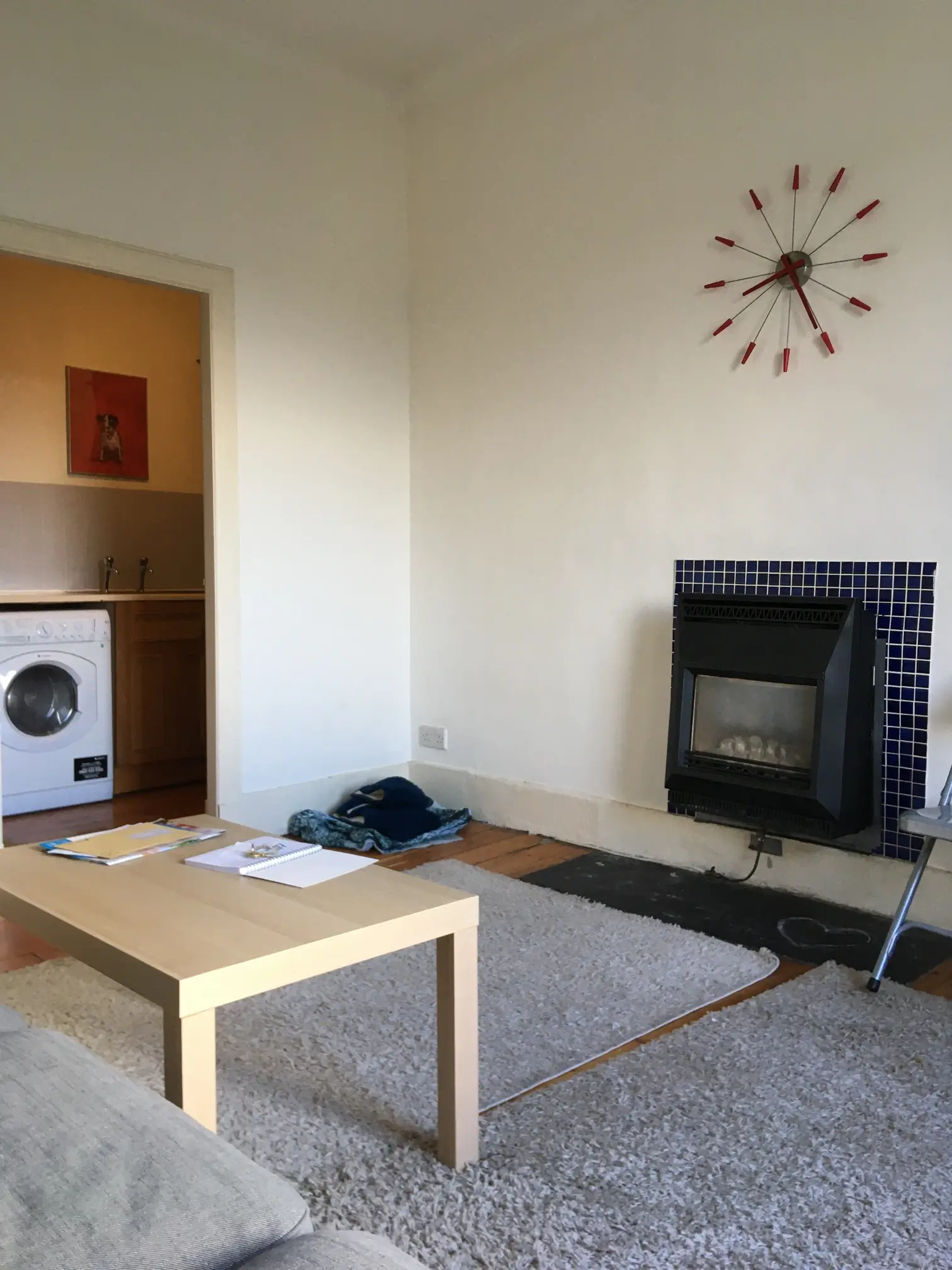
Before refurbishment
Identifying the Real Problem
Following our assessment, we reached a different conclusion.
Although the bathroom would benefit from some attention, we felt the main obstacle to attracting longer-term tenants was the property’s kitchen and living accommodation.
The kitchen was small, dated and separated from the living room by a partition wall. The layout made poor use of the available space and did little to appeal to prospective tenants seeking a comfortable, modern home.
We recommended concentrating the refurbishment budget on transforming these two rooms into an attractive open-plan kitchen and living area.
Rather than spending the majority of the budget on a new bathroom, we proposed targeted bathroom improvements alongside a more substantial investment in the parts of the property that we believed would make the greatest difference to tenant demand.

Kitchen design visualisation
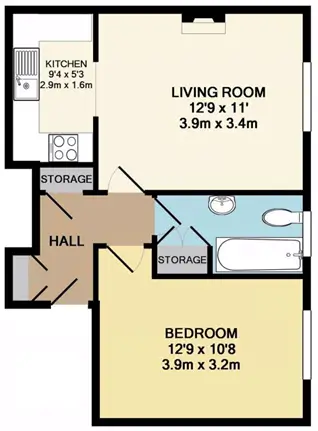
Highlighted partitions removed
Compare the original layout with the wall-removal plan.
Our Approach
HomeForce developed a refurbishment plan designed to improve the property’s appeal, modernise its services and reduce future maintenance requirements.
Creating an open-plan living space: Removing the partition between the kitchen and living room to provide a more spacious and sociable layout.
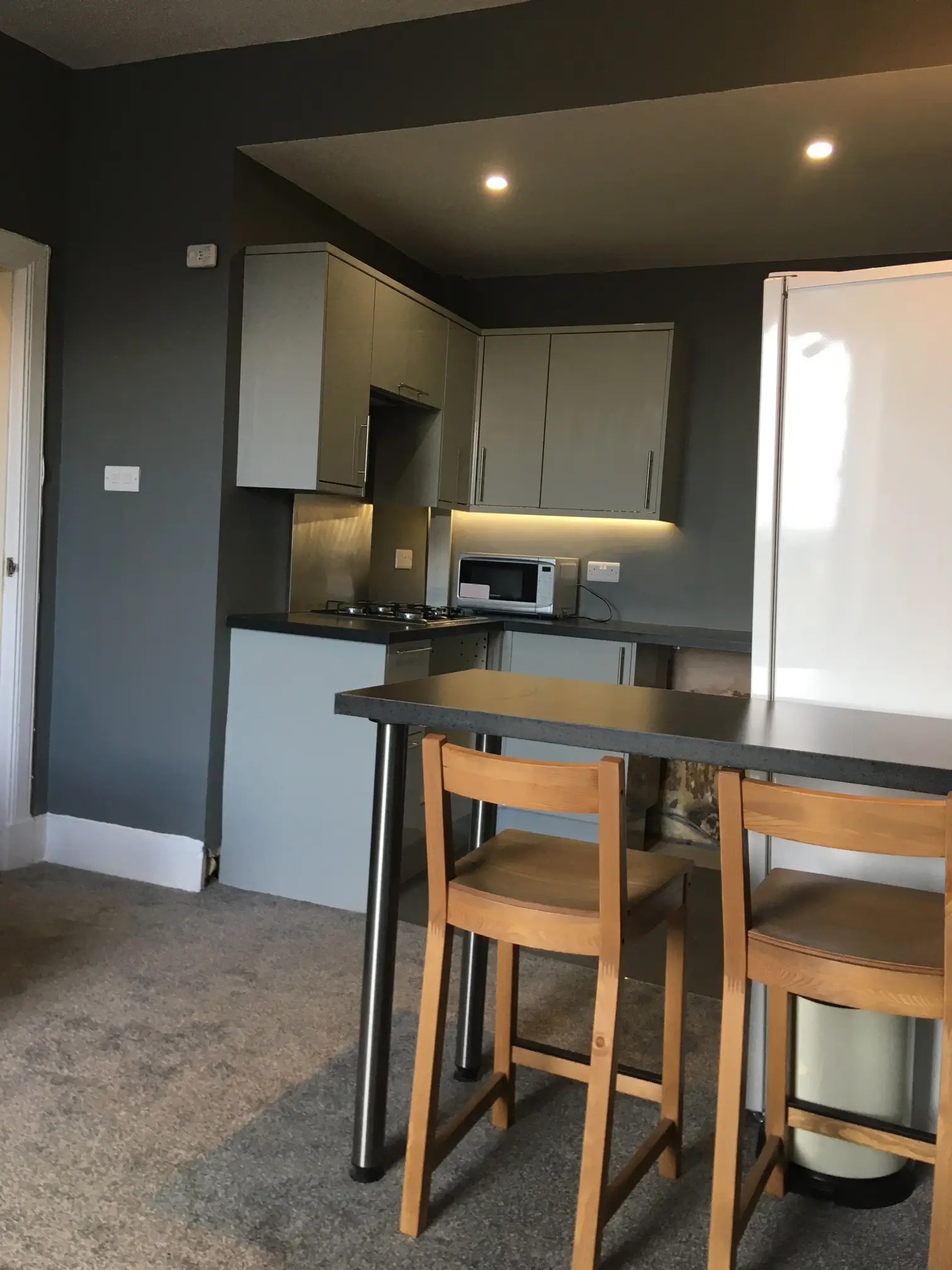
Installing a new kitchen: Replacing the dated kitchen with modern cabinetry, appliances, improved storage, worktops and a breakfast bar.
Upgrading the heating: Replacing the existing heating arrangements with a modern gas combi boiler and central heating system.
Improving the bathroom: Undertaking selected repairs and cosmetic improvements rather than a complete bathroom replacement.
Electrical improvements: Updating kitchen electrics, lighting and associated electrical infrastructure.
Finishing works: Plastering, decorating, new flooring and a thorough clean to present the flat attractively to prospective tenants.
HomeForce coordinated the project, arranging the necessary trades and managing the works through to completion.
Importantly, the refurbishment was not simply about making the flat look better. Each major decision was considered in terms of its potential to attract tenants, support a higher rental value and reduce ongoing ownership costs.
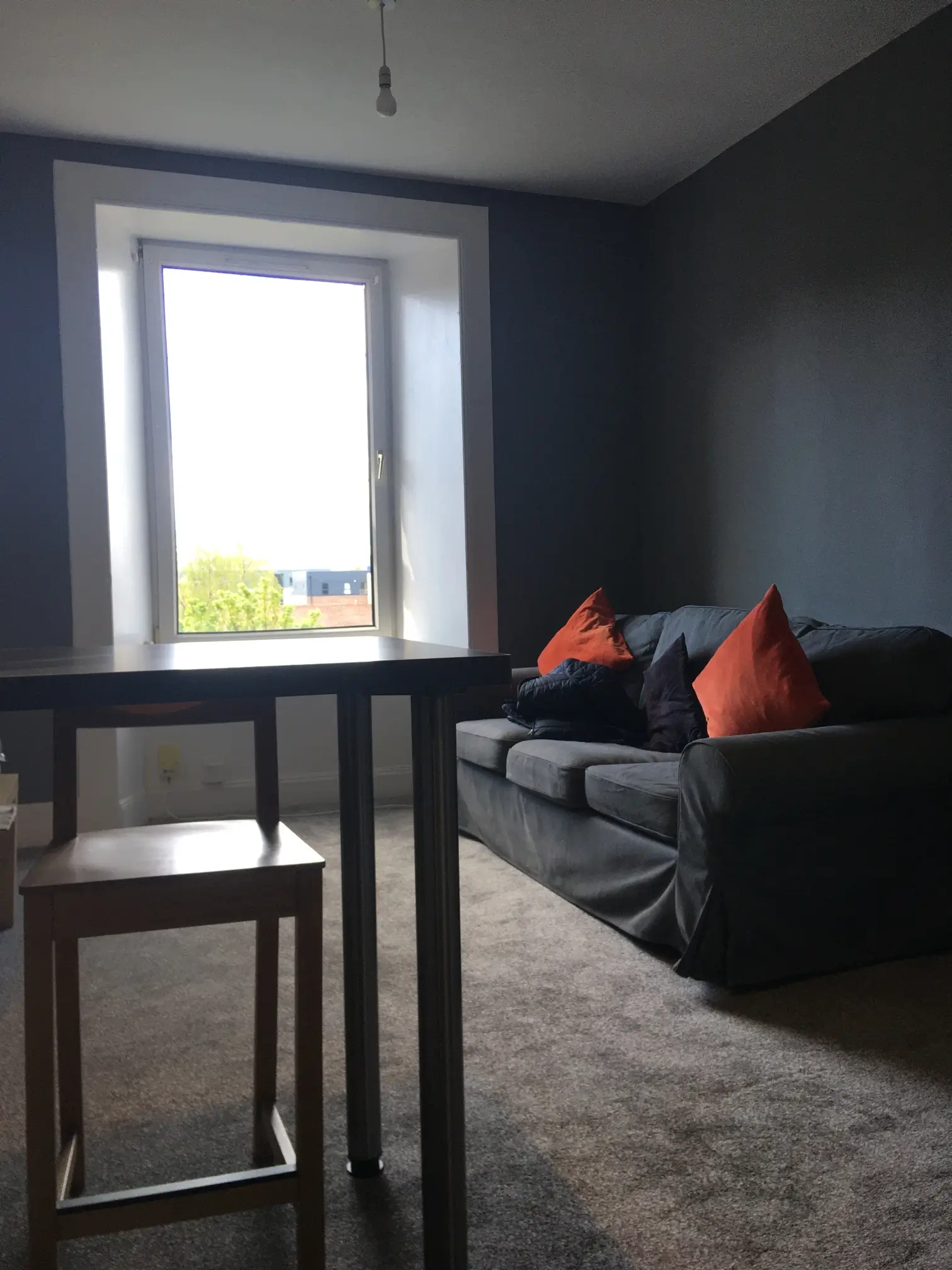
Before and after
Compare the rooms before and after refurbishment. Select any photograph to view it at full size.
Opening up the kitchen
Before

After
Refreshing the living area
Before
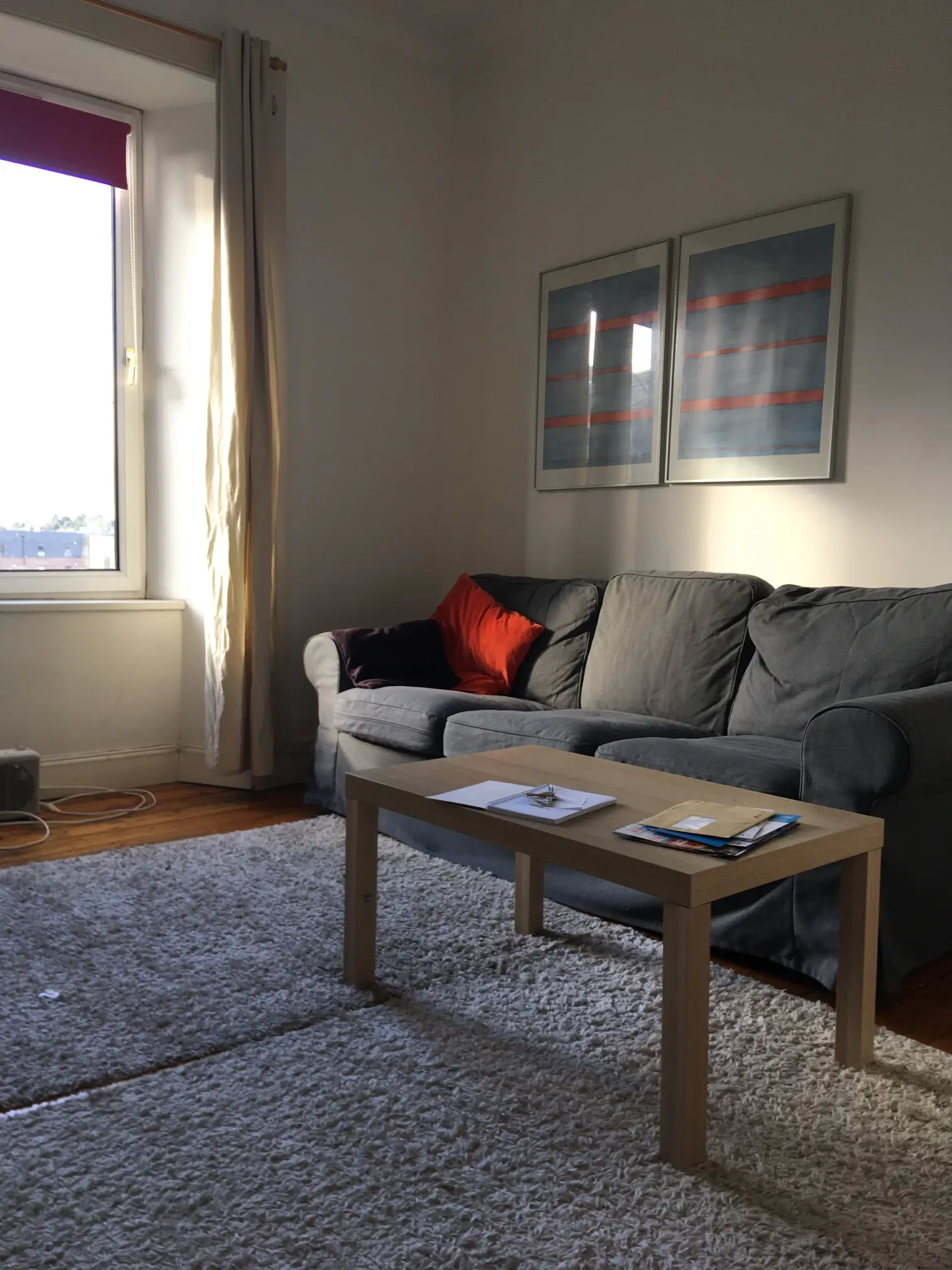
After
The Outcome
The refurbishment was completed in 2021 at a recorded project cost of approximately £22,539. The results were substantial.
Measure
Before
After
Monthly rent
Approx. £600
£1,020
Annual rental income
Approx. £7,200
£12,240
Additional annual gross rent
—
£5,040
Rental income uplift
—
70%
Gross incremental annual rent / refurbishment cost
—
22.4%
Rental income increased from approximately £600 to £1,020 per month — a 70% uplift, equivalent to £5,040 in additional annual gross rental income.
This represents additional annual rental income equivalent to approximately 22.4% of the refurbishment expenditure, before operating costs and tax. This is not a net investment return.
A more stable tenancy
However, the greatest long-term benefit has been tenant retention. The tenants who moved into the property following the 2021 refurbishment have remained there ever since.
For landlords, the financial cost of changing tenants extends well beyond the immediate loss of rent during a void period. It can include advertising, administration, cleaning, redecoration and maintenance issues that often become apparent when a new tenant moves in.
By creating a more desirable home, the landlord has avoided repeated tenant changes and the associated costs that had previously been a persistent problem. Maintenance requirements have also reduced significantly following the refurbishment, providing a further benefit to the landlord.
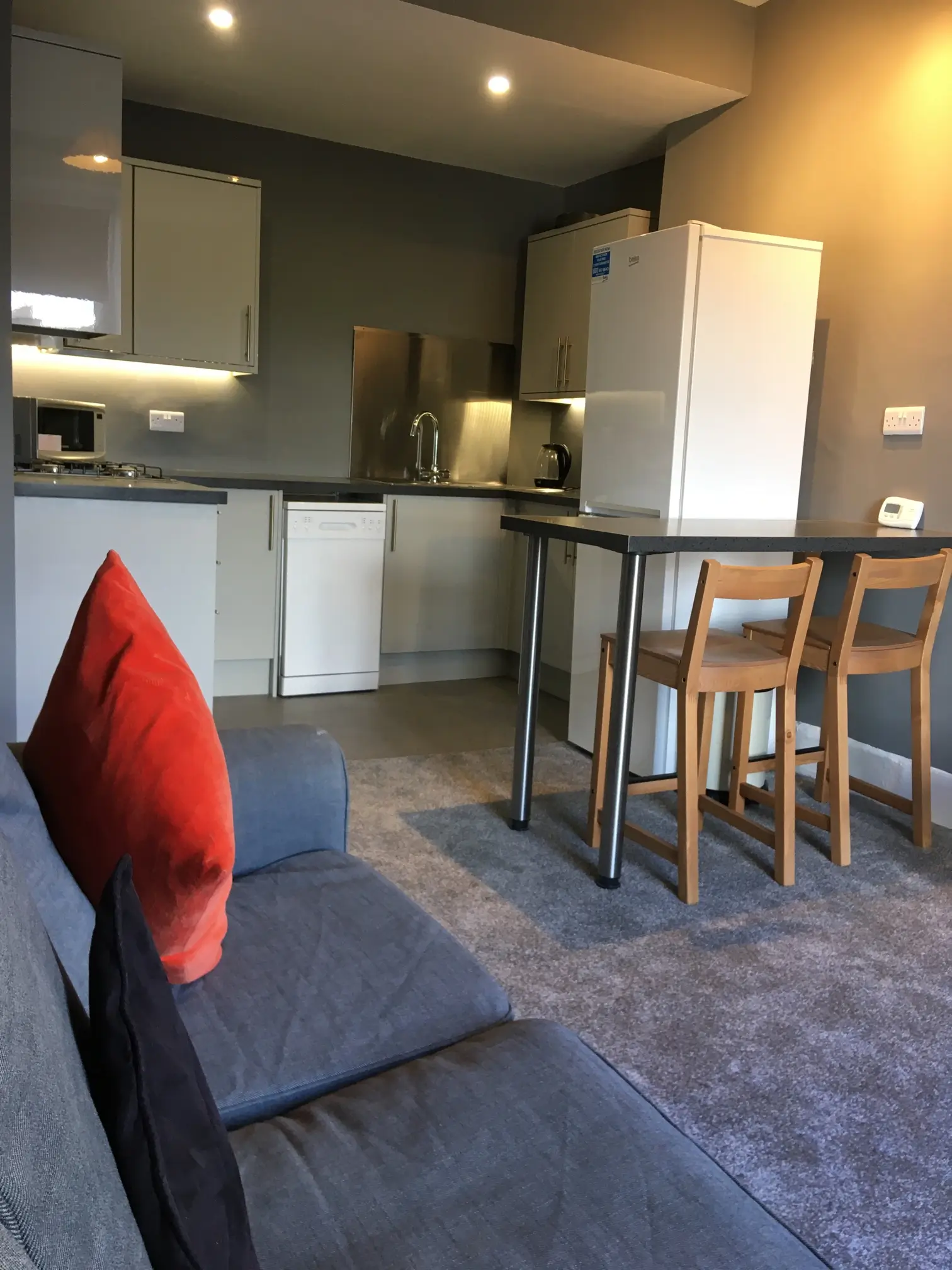
After refurbishment
The Value of the Right Advice
This project illustrates why effective property management involves more than arranging repairs or finding tenants.
The landlord had already been advised to spend money improving the property. The crucial question was where that money would produce the greatest benefit.
HomeForce challenged the original recommendation, identified the underlying weakness in the property’s appeal and developed a different refurbishment strategy.
Five years later, the combination of higher rental income, stable tenants and reduced maintenance demonstrates the lasting value of that decision.
The lesson for landlords is simple: before investing in a rental property, make sure you’re addressing the issues that really matter to prospective tenants.
Talk to HomeForce about your property
At HomeForce Property Management, we help Edinburgh landlords make informed decisions about their properties, coordinate improvements and maximise the long-term performance of their investments.